One If you’ve recently experienced a credit problem, you may be wondering whether buying a home is still possible. Perhaps you’ve missed a few payments, experienced a temporary financial setback, accumulated too much debt, or seen your credit score drop. The good news is that a recent credit problem does not automatically disqualify you from getting a mortgage.

Mortgage lenders consider several factors when evaluating a loan application, including your credit history, income, existing debts, down payment, and overall financial stability. Understanding your options can help you determine the best path toward homeownership.
How Does a Recent Credit Problem Affect Mortgage Approval?
Your credit history helps lenders evaluate how you’ve managed borrowed money. Late payments, collections, high credit card balances, and other negative marks can make qualifying for a mortgage more difficult. However, the impact depends on the type and severity of the problem, how recently it occurred, and the requirements of the loan program.
For example, a borrower with a few late payments may have different options than someone who recently filed for bankruptcy or experienced a foreclosure. Lenders may also consider whether the problem resulted from a temporary hardship and whether your finances have since improved.
What Mortgage Options Are Available?
Several mortgage programs may be worth exploring, depending on your circumstances.
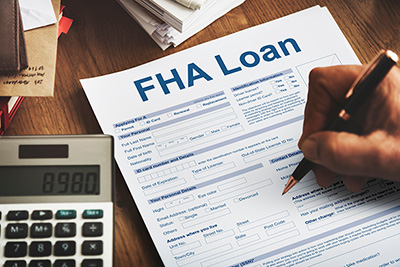
FHA loans: These government-insured loans can offer more flexible credit requirements than some conventional mortgages. Approval still depends on the lender’s guidelines and your overall financial situation.
VA loans: Eligible veterans, active-duty service members, and certain surviving spouses may qualify for VA-backed mortgages. These loans offer important benefits, although lenders can have their own credit requirements.
Conventional loans: Some borrowers with less-than-perfect credit may qualify for conventional financing, depending on their credit profile, down payment, debt levels, and the applicable loan requirements.
A mortgage broker can help you compare available options and identify lenders whose requirements may fit your circumstances.
Steps to Improve Your Chances of Approval
If you’re concerned about a recent credit problem, consider taking these steps before applying for a mortgage:
- Review your credit reports. Check for errors or inaccurate information that could be hurting your score.
- Pay bills on time. A consistent payment history can help demonstrate improved financial habits.
- Reduce credit card balances. Lowering your credit utilization may help improve your credit profile.
- Avoid taking on new debt. Additional loans or large credit card purchases can affect your debt-to-income ratio.
- Save for a down payment. Depending on the loan program, a larger down payment may improve your financing options.
- Document your financial recovery. If a temporary hardship caused the credit problem, keep records that explain the circumstances and show how your situation has changed.
Should You Wait Before Applying for a Mortgage?
Not necessarily. Some credit problems require a waiting period, while others may not prevent you from qualifying right away. Bankruptcy and foreclosure, for example, can involve specific waiting periods that vary by loan program and circumstances.
Even if you’re not ready to apply today, speaking with a mortgage professional can help you understand what needs to improve and how long you may need to prepare.
Explore Your Mortgage Options With a Mortgage Broker
A recent credit problem doesn’t necessarily mean your homeownership plans have to be put on hold. The right loan program, a stronger financial profile, and a clear plan can make a difference.
A mortgage broker can review your situation, explain potential financing options, and help you understand the steps needed to move forward. Rather than assuming you won’t qualify, find out what options may be available to you.
When you are purchasing a home or looking for a new mortgage, call Ruth. Ruth Schoenherr is a mortgage broker who will help you find home loans in the Clearwater and Tampa Bay area, and serving all of Florida. For more information, go to her web site at www.ClearwaterMortgageBroker.net or call at 727 447-2418.
Ruth Schoenherr NMLS Florida Mortgage Lender License 336647
Innovative Mortgage NMLS 250769